
Global Solidarity Educator’s Guide 2026

Access your Middle School or K-5 Educator’s Guide for your classroom by filling out the form below. You will then be directed to a page where you can download a high quality PDF file to print out or share digitally.
Download the:
Global Solidarity Educator’s Guide 2026
Objective

OBJECTIVE: This Lent, students will prayerfully REFLECT on restoring broken relationships with God, others, and self, ENCOUNTER a story of reconciliation and restoration from Brazil, and EXPLORE how Scripture and tradition address these topics. Then, students will APPLY what they have learned by taking action in their local communities.
Step 1: Pray

Bring yourself into a greater awareness of God’s love and reflect:
Think of a time when you hurt someone and were forgiven.What were you feeling when you hurt them? How did you feelafterward? How did you feel once you had made amends? Now, think of a time in which you forgave someone. What was it like to be wronged? Was it difficult to forgive them? How did you feel after making amends? In both of these situations, where did you notice God at work? Journal your ideas, and when you are done, take 3 deep breaths and pray together: Loving God, you know me better than I know myself. You know that I love you and desire to be good. Help me to forgive others when I am hurt and seek reconciliation when I cause hurt. You challenge me to extinguish hatred and sow peace wherever I journey in life. Amen.
Step 2: Personal Connections

The restorative justice process enables offenders and their victims to heal.
By Joanne Blaney, a Maryknoll Lay Missioner
In one of the poorest and most violent neighborhoods in São Paulo, Brazil, Raquel (not her real name), a teacher, was the victim of an armed assault and carjacking. After filing a police report, she heard that the adolescent perpetrators were in custody and later sent to a juvenile detention center. “But I felt no peace,” says Raquel. “I wanted to know why this happened to me.”
Years later, Victor (not his real name), one of her assailants, re-encountered Raquel and fled, fearing she would recognize him. Victor’s probation counselor asked Victor to imagine how the victim might have felt if she had seen him. Victor recalled how Raquel trembled the day he assaulted her. The counselor probed: “If you could talk to her now, what would you say?” “I would say I was sorry,” Victor replied. The counselor invited Victor to write a letter to Raquel, sharing his feelings and asking how he could repair the harm he had caused.
That led Victor and Raquel to the Popular Education and Human Rights Center in São Paulo, where another facilitator and I began with them a restorative justice process, which includes a face-to-face meeting of offender, victim, and community support members.
The day of the meeting, Victor arrived with two staff members from the probation center. Raquel brought members of her family and her school director. The conference began with Victor admitting his responsibility for the crime. With quivering lips and fidgeting hands, he said the robbery was “not planned,” that he had met with a friend “to hang out” and came upon the teacher parking her car. He said he remembered her fear and wanted to repair the harm he had done.
Raquel recalled the terror she felt when she saw her assailant’s gun. She said she was still angry and nervous. “I wanted to meet you to find out why you chose me as your victim,” she told Victor. She explained that at the time of the crime, she was going through an extremely difficult personal problem. In addition, that day, because of the assault, she was unable to participate in the special school activities she had prepared for her hearing and visually impaired students.
Then Raquel’s family shared their feelings of fear, anger, and frustration over the crime. Victor was visibly shaken by the impact his action had on so many people.
At one point, Raquel asked Victor to talk about his life and his time in the detention center. She wanted to know why no family members were present with him. Victor said his mother had mental health problems and sometimes disappeared for days, and that he was responsible for his younger brothers. His mother did not have money to visit him while he was in detention, he said, and the only people he knew to accompany him to the conference were staff members from the probation center.
As the conference continued, we asked Raquel, “What do you think needs to happen to repair the harm?” Together, she, Victor, and the members of the community came up with a plan of reparation that included Victor using his artistic talents to give art workshops to Raquel’s students. He would also paint the school, as well as return to school himself.
In the final moments of the conference, Raquel asked to speak. “I feel so relieved,” she said. “I am a different person now than I was before the conference. A weight has been lifted. I believe in change. All of us make mistakes.”
Turning to Victor, she said, “You have your whole life in front of you. Everything is resolved between us. I have overcome this trauma today. You suffered in the detention center far away from your family and in a system that only punishes and rarely rehabilitates. I want to ask you to return to your studies, look for work, and go forward with your life. It would be good if your mother were here so she could be proud of you, of your courage to come here personally to ask for forgiveness. Your courage brought me here today. I invite you to register at our school. I would love to be your teacher, and the director and I will support you.”
The director of the school followed up: “This circle today has been a wonderful process of overcoming violence. It has been a transformative process for all of us and a positive step for change.”
I have seen the transformative power of restorative justice, whether in cases of bullying, the death of a child at a school, or prison conflicts. Truth, individual and collective responsibility, repair of harm, and reintegration are key elements to the process.
Research consistently shows that victims benefit greatly from restorative justice procedures. Telling their story to the person who caused the harm is very healing. Often, they and their family members seek answers to questions that have been haunting them. In the process of meeting, anger turns into compassion. Research also shows that most offenders do not return to crime after a restorative justice process, as compared to current retributive procedures that indicate a 66 percent to 70 percent recidivism rate in the United States.
Pope Francis exhorts us: “Each one of us is an artisan of peace by uniting and not dividing, by extinguishing hatred and not holding onto it, by opening paths to dialogue and not by constructing walls!” May we rise to the challenge!
Reflections Questions On Story:
- Why do you think it was important for Raquel and Victor, and their community members, to meet face-to-face?
- There is a well-known phrase: “forgive and forget.” What do you think about this saying? What was gained in Raquel and Victor’s situation by forgiving, but not forgetting what happened?
- Close your eyes and imagine yourself as Raquel. Reflect on how she would be feeling leading up to meeting with Victor. If you were in Raquel’s shoes, what would you want to share with Victor?
- Now imagine what it would be like to be Victor leading up to the conversation with Raquel. What might you want to say? Would you feel intimidated, anxious, or regretful?
- What might it be like to be a loved one of Raquel or Victor?
- Share with a partner a story of reconciliation from your own life.
STEP 3: EXPLORE SCRIPTURE AND TRADITION

Read The Following Scriptures. Reflect On The Questions.
Old Testament: Psalm 10:12-14
Gospel: Luke 19:1-10
New Testament: Romans 12:14-21
- What does it mean for God to be a “defender of orphans?”
- How did Zacchaeus try to restore broken relationships? What motivated him? How was it similar or different from Victor’s story?
- Paul encourages the Romans to “conquer evil with good.” Recall a time when you learned to love your enemy.
WHAT DOES THE CHURCH SAY?
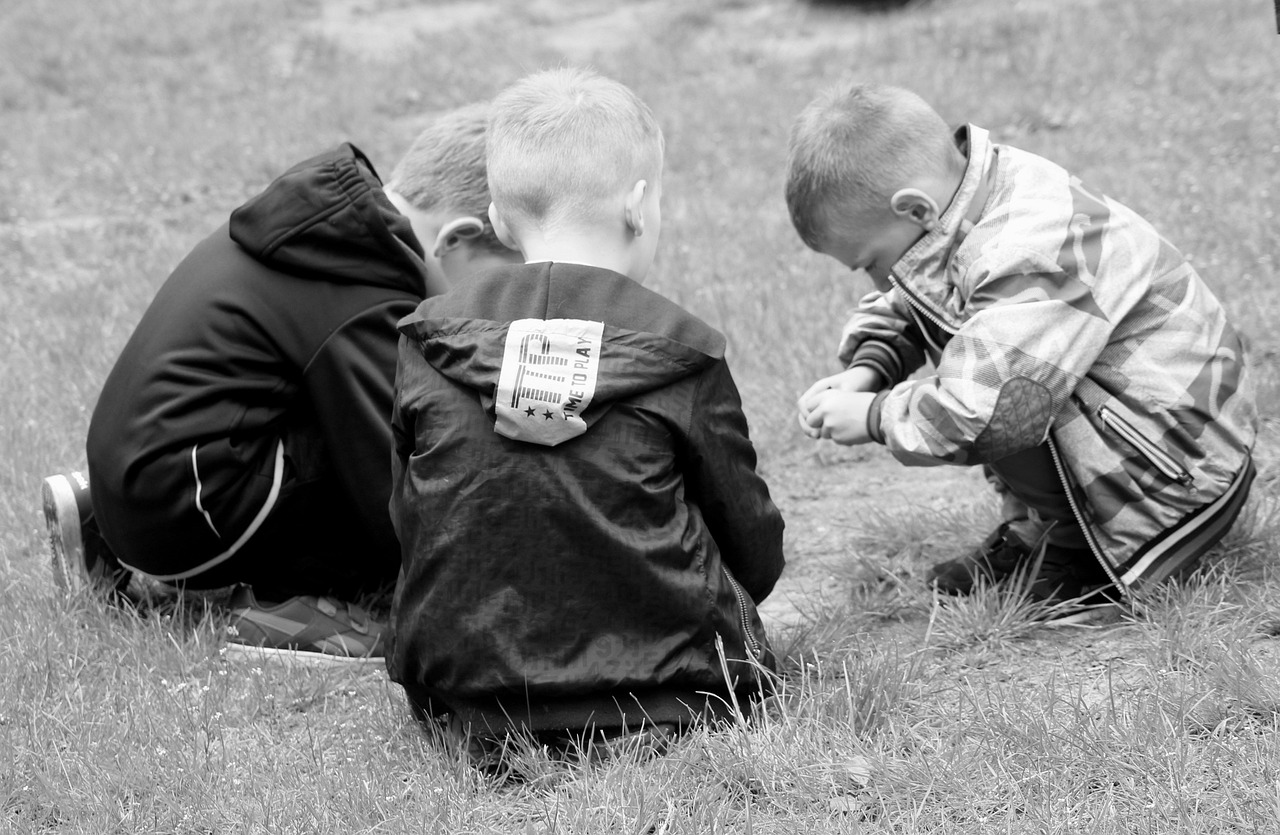
In Fratelli Tutti, Pope Francis wrote, “When conflicts are not resolved but kept hidden or buried in the past, silence can lead to complicity in grave misdeeds and sins. Authentic reconciliation does not flee from conflict, but is achieved in conflict, resolving it through dialogue and open, honest, and patient negotiation.”
The dialogue required for restorative justice is exemplified in the story of Raquel and Victor. We must be honest with one another about our experiences, and we must listen deeply when others share their hurt and experiences with us.
In 2000, the US Bishops released a document entitled “Responsibility, Rehabilitation, and Restoration: A Catholic Perspective on Crime and Criminal Justice.” In the document, they discuss the need for addressing factors that lead to poverty and crime and offering rehabilitation opportunities to offenders rather than trapping them in a cycle of punishment with no opportunity for reconciliation.
- What factors might contribute to someone ending up in juvenile hall or prison?
- What might be alternatives to juvenile detention to help young people remain in their communities and not end up in the prison system?
- Have you ever tried to avoid a conflict rather than facing it? What was the result of keeping it buried?
STEP 4: TAKE ACTION
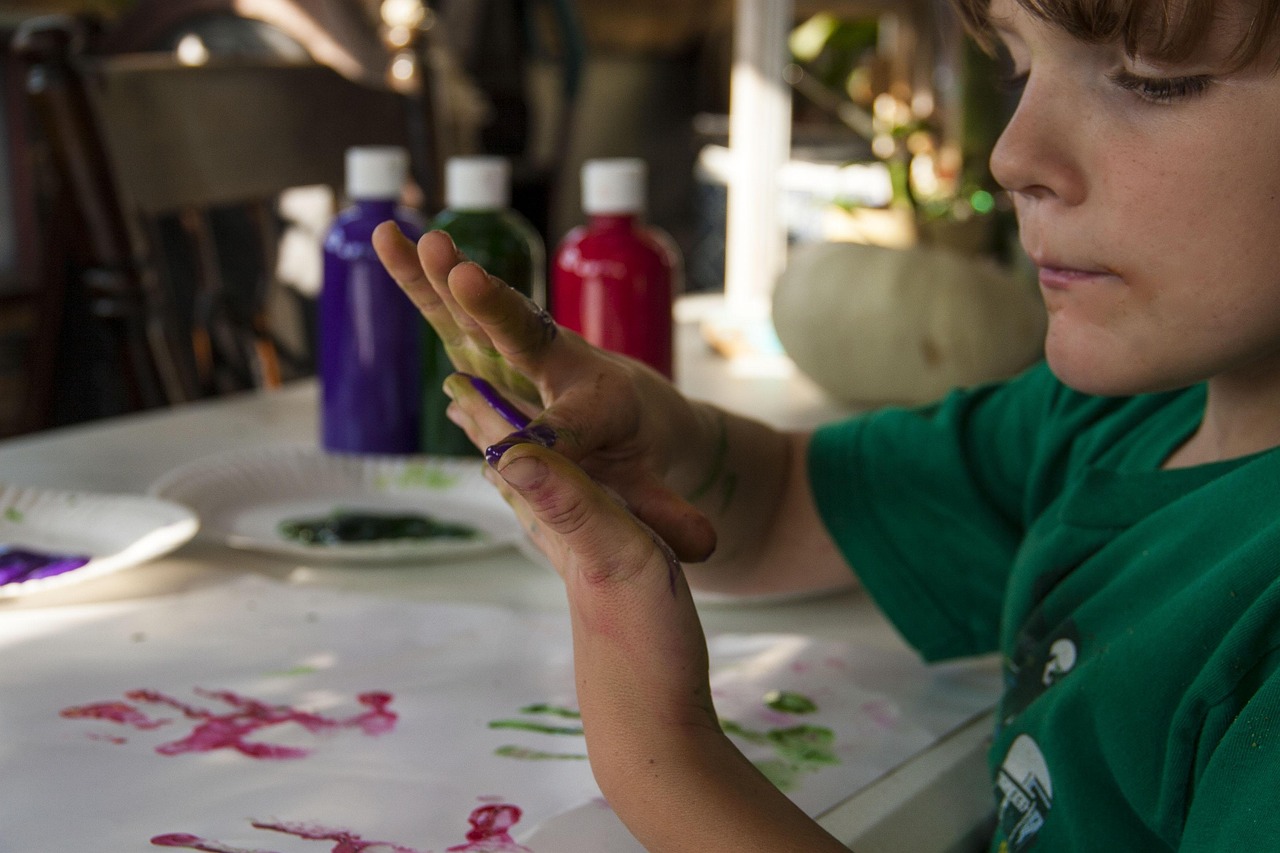
Engage Your Family Or Classroom
1. Practice Forgiveness and Reconciliation When problems or hurt feelings arise, don’t ignore them or let them remain unresolved. Guide children in having simple, honest conversations about:
- What happened from each perspective?
- How does each person feel?
- What needs to change or be done differently?
- How can they move forward with kindness and love?
- This helps children learn that restoring relationships is something we practice, not something that just happens.
2. Explore the Catholic Social Teaching Principle of the Common Good Talk together about what “the common good” means. On chart paper or a whiteboard, make a list using the children’s own words.
Examples might include:
- Sharing and including others, like taking turns
- Helping someone who is sad or excluded
- Keeping the classroom clean and caring for creation
3. Create a Common Good Poster
- Turn your list into a classroom or family poster.
- Invite children to draw pictures showing what the Common
- Good looks like in action.
- Leave space to add more drawings throughout the year.
This helps children see the Common Good as something alive and growing.
4. Use the Prayer from Step 1 Close your time together with the same prayer from Step 1, reminding everyone that we ask God to help us build a community where everyone belongs and is treated with love.
RAISE YOUR VOICE
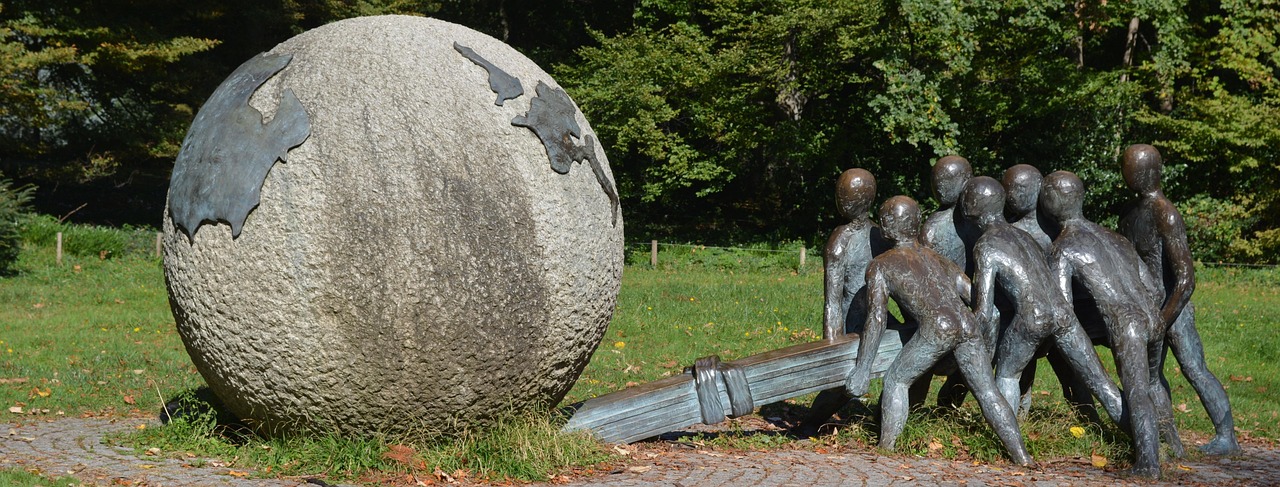
Do a bit of research into what organizations in your community help contribute to restorative justice - what are their current needs? How can you raise awareness for their cause in your friend groups, school, church, and wider community?
BE A GLOBAL NEIGHBOR
Fr. Joe Fedora M.M. helps provide medicines to the detained and secretarial services to the Chaplain at Peru’s largest prison, San Pedro de Lurigancho, a facility built for 3,300 prisoners that currently holds 10,000, making it the most densely populated prison in the Americas. The aim is to support individuals who have been abandoned by society, and for many, even by their family. Read more and support this cause here https://maryknoll.link/spl
ENGAGE YOUR FAMILY
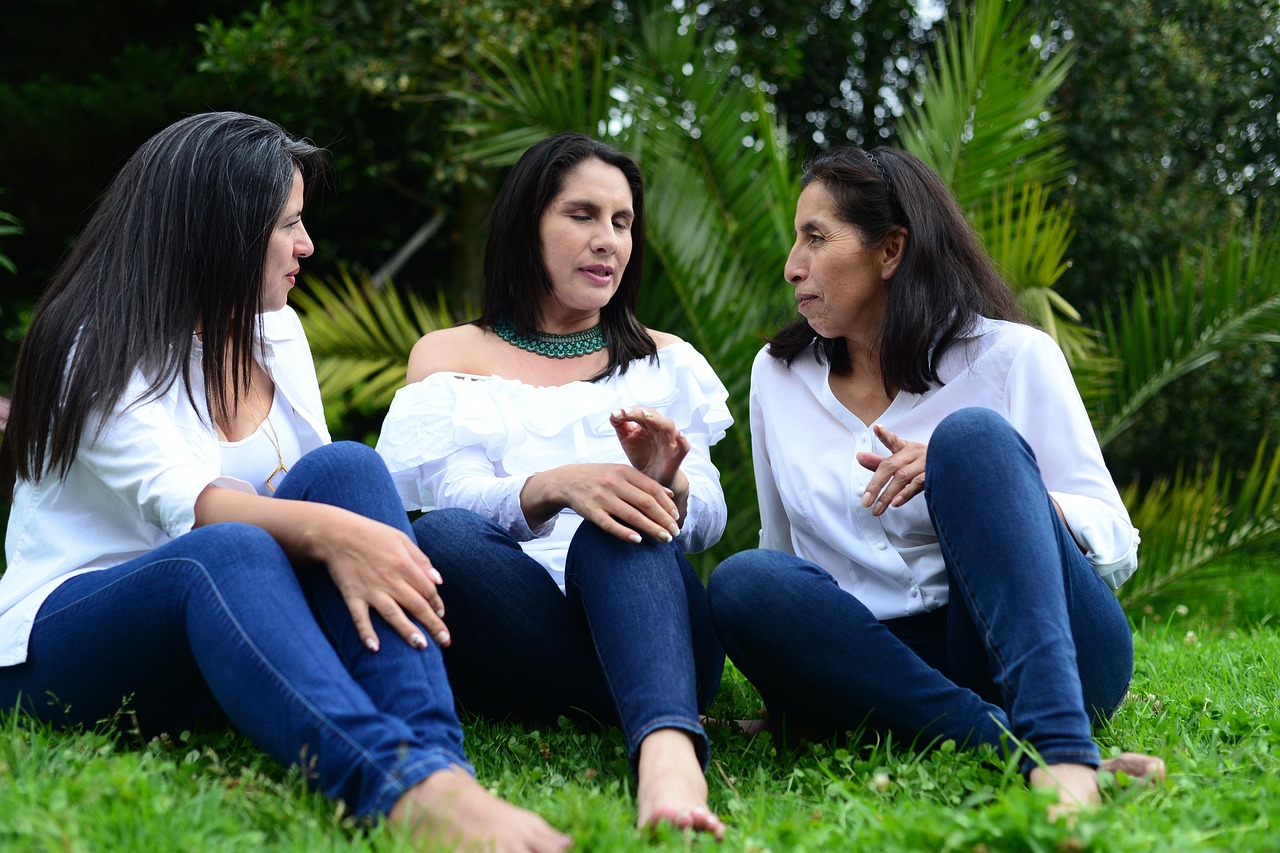
Practice reconciliation as a family. When issues arise, rather than keeping them buried, have open dialogues about how to move forward in negotiation and love.
Go to the digital version of this lesson plan for more resources at discoveryourneighbor.org